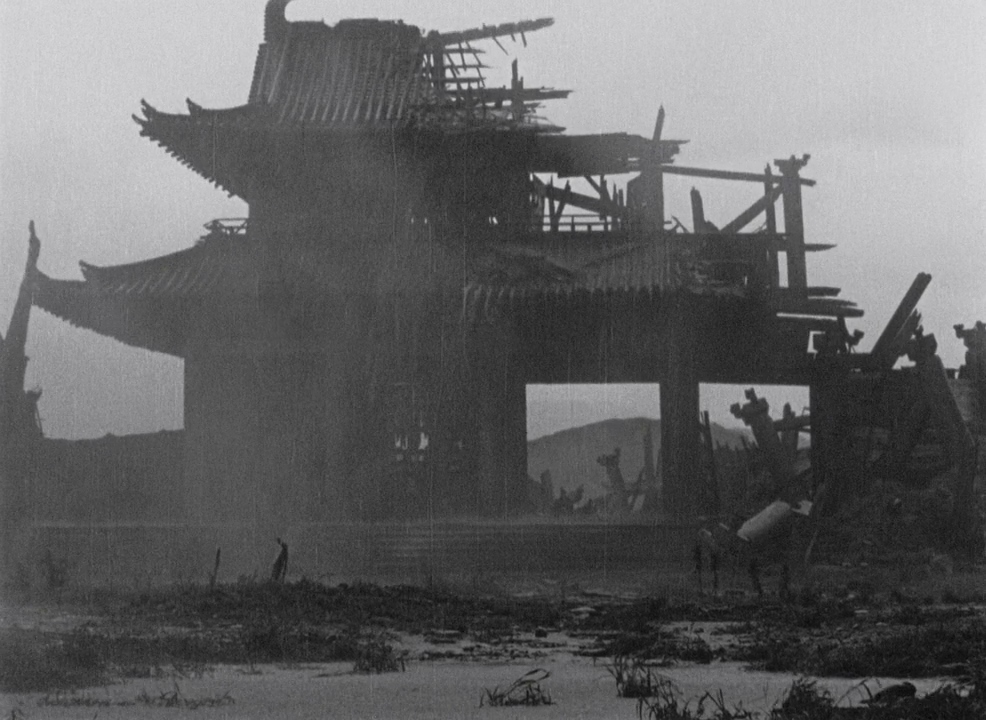
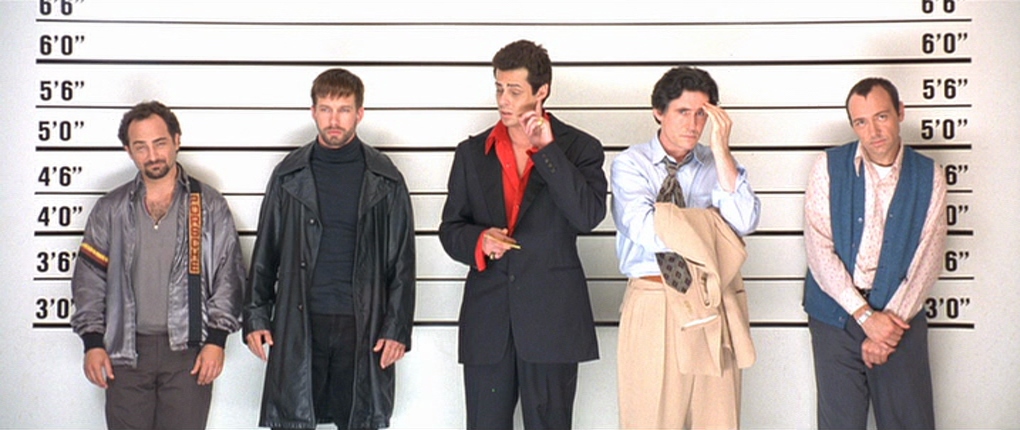
Dependency overlap — integration started before build stabilized
Nothing turned red. The schedule just quietly got tighter.
Gantt charts don't lie. They just assume the future agrees with the past.
Temporal Sleight of Hand
Now
Auth v2 Migration
Next
Mobile Parity
Later
Observability Revamp
Tech Debt Sprint
"Later" isn't a plan. It's deferred accountability. Roadmaps compress uncertainty into optimism.
Westworld (2016)
Timeline Collapse
Everything looks aligned — until integration time.
CVE Scan — Safety Without Understanding
Low
Risk Score
Dependency Complexity (Growing Quietly)
Q1
Q2
Q3
Q4
3 CVEs patched. 14 transitive dependencies added.
Attack surface grew 3x while the risk score stayed flat.
We fixed every known vulnerability. We increased our exposure anyway. Compliance ≠ robustness.
Status Reports — Parallel Timelines
Backend
Ready
Against last week's spec
Frontend
Ready
Against the Figma, not the API
PM
Ready
Against the stakeholder commitment
System
Wait
None of these are the same "ready"
Legacy systems and new platforms coexist.
Teams operate on different clocks.
Leadership reports as if it's one timeline.
Quantifying Linguistic Debt
Backend
Ready
"The API schema is frozen."
Frontend
Ready
"Mock components are built."
Linguistic Debt: When "Ready" means three different things, the gap isn't just a misunderstanding—it’s a quantifiable tax on your speed.
Ghost in the Shell (1995)
The Ghost in the Machine
Ideas planted years ago by people who have since left still dictate our reality.
Artifact Decay: ADR-004 (2021)
STATUS: APPROVED
"To ensure speed, we will use a Shared Database for all services..."
[RISK: 14 legacy dependencies rely on this outdated decision]
The narrator isn't just in the room—they are built into the walls. We follow rules for reasons we no longer remember.
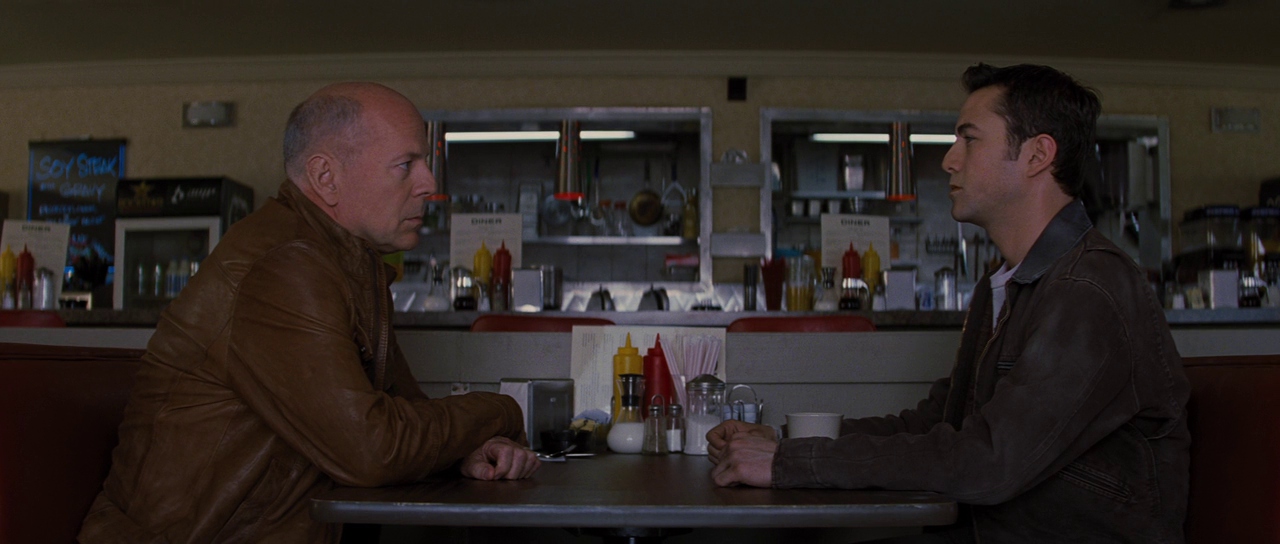
Looper (2012)
Closing the Loop
We ship a "temporary" fix today, knowing it will break the life of our future selves in 18 months.
The Fossilized Backlog
• Fix Auth Bypass workaroundAdded 640 days ago
• Reconcile divergent schemasAdded 412 days ago
• Technical Debt SprintDEFERRED
The "Later" column is the Unreliable Narrator's favorite hiding spot. It transforms "Broken" into "Planned."
Scenes from the Daily Stand-Up
The Green Light Theater
Every one of these is green. Every one of these is telling you a story.
The interesting part is what the story leaves out.
Grafana Dashboard
All Systems Nominal
12 of 12 monitored services healthy
Security Scan
0 Vulnerabilities Found
Last scan: 3 hours ago
Test Coverage
95.2%
Above team target of 90%
SLA Compliance
99.95%
Q4 target exceeded
Sprint Velocity
↑ 23% QoQ
Highest velocity in 4 sprints
Open Incidents
2 (Down from 6)
67% reduction this month
HoverTap to see what's behind the green. None of these are lies — they're all technically accurate.
That's what makes an unreliable narrator so effective.
The Truman Show (1998)
Managing the Map, Ignoring the Ground
A perfectly constructed world. Every metric says it's real — until you walk to the edge and touch the painted sky.
The Map (Coherent)
95% Test Coverage
Green Build Pipeline
On-Time Sprint
≠
The Territory (Real)
Critical Path Fragility
Linguistic Debt
Knowledge Silos
Alignment is often a measurement of how well we’ve agreed to ignore the territory.
The Point of All This
The Reveal
This isn't an indictment. It's a recognition.
Based on Actual Events
Every organization has unreliable narrators.
Not because people are dishonest,
but because systems are partial by design.
The Unreliable Narrator
A dashboard can only show what it was built to measure.
A roadmap can only reflect what was agreed to discuss.
A retrospective can only surface what feels safe to say.
That's not failure — that's the nature of any narrative.
The challenge isn't eliminating the narrator.
It's remembering there is one.
Field Guide to Narrative Drift
Patterns worth noticing — not to assign blame, but to start better conversations.
The Performance Mirage
Metrics stay green while delivery slows. The system is optimizing for the narrator rather than the work.
Try asking: "What would this dashboard look like if we added the things we chose not to measure?"
Semantic Drift
Integrations fail despite "successful" milestones. The same words mean different things to different teams.
Try asking: "When we say 'ready,' what would need to be true for you to ship tomorrow?"
The Archive of Optimism
The "Later" column grows quietly. Deferred decisions compound interest that eventually comes due.
Try asking: "If we could only keep 3 items in 'Later,' which would survive? What does that tell us?"
The Blind Spot Report
Tools report clean results — not because everything is clean, but because they can only see what they were built to see.
Try asking: "What can't this tool see? What language, service, or path isn't covered?"
The unreliable narrator isn't a villain. It's a lens.
Once you see it, you start asking different questions —
not "is this metric right?" but "what story is this metric trying to tell, and what did it leave out?"
That's where the interesting work begins.
A Strategic Operations Research Project
Applying US Patent 12,106,240 B2 to the challenge of organizational sensemaking.